



The Absence of Empathy: The Cold Room of the Soul and Sociopathic Tendencies

The Absence of Empathy: The Cold Room of the Soul and Sociopathic Tendencies
In our increasingly interconnected world, the absence of empathy can often feel like an insidious shadow that looms over society. This phenomenon, while deeply personal, has societal implications that ripple through our communities, affecting relationships, workplaces, and even governance. Understanding this absence and its consequences is crucial for promoting healing and fostering deeper connections among individuals.
Throughout the first two parts of our series, we examined egoistic masks, narcissistic voids, Machiavellian strategies, strings of manipulation, and the illusion of entitlement step by step. As we climbed the rungs of this dark ladder, we witnessed how the human soul’s ties to the outside world gradually weaken. What awaits us at the coldest, lightless room of this journey? The exploration of our deepest fears, our vulnerabilities, and the recognition of the human experience in its entirety. This journey is not just about understanding others but also about understanding oneself.
The answer lies at the sharpest edge of modern psychology and the dark triad: the absence of empathy and sociopathic tendencies. This chilling state of being not only affects the individual but also creates a ripple effect, impacting their relationships and society at large. It is essential to delve into the roots of this absence to comprehend its effects on personal and community levels.
1. Where the Soul Freezes: The Moment Conscience is Silenced
Consider the example of a person who has experienced betrayal. They may harden their heart, viewing others through a lens of skepticism and distrust, leading to a cycle where they are unable to form meaningful relationships. This cycle perpetuates their isolation, reinforcing the cold room mentality.
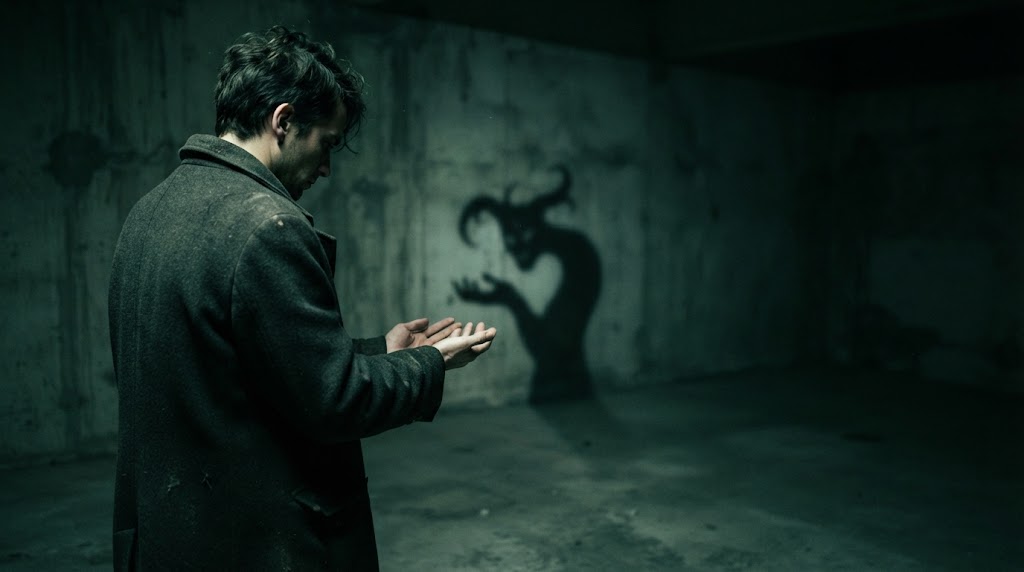
What makes a human being truly human is the capacity to feel the drop in another person’s eyes within one’s own heart—in other words, empathy. However, layers of ego, narcissism, and manipulation can reach a threshold where the mind becomes entirely incapable of perceiving the pain, sorrow, or destruction of others. This is the cold room of the soul. When individuals enter this space, they become estranged from their own humanity, losing sight of the interconnectedness that binds us all.
In this cold room, the essence of compassion is extinguished, leading to a worldview where others are mere objects. This transformation can be gradual or sudden, often catalyzed by trauma or significant life events that warp one’s perception. The absence of empathy becomes a defense mechanism, shielding the individual from further pain but simultaneously isolating them from genuine human connection.
Engaging in practices such as journaling can be beneficial for this self-exploration. Writing down feelings, thoughts, and behaviors can help identify patterns that reflect an absence of empathy. This process invites clarity and encourages a shift toward understanding and compassion.
- The Pinnacle of Objectifying People: For a mind at this point, the suffering, weeping, or harm experienced by the person opposite holds zero meaning. Much like pieces on a chessboard, human beings exist solely to be maneuvered. The mechanism of guilt or remorse has been completely disabled.
- Living Beyond Rules: Societal norms, moral boundaries, and ethical values are viewed merely as obstacles meant exclusively for the “weak.” The sociopathic shadow considers every means permissible for the satisfaction of its own desires, marking a final and radical rupture from community.
Consider seeking professional help, such as therapy, to assist in navigating through these internal struggles. A trained therapist can guide individuals through the complexities of their emotions, providing tools to foster empathy and rebuild connections with others.
2. Looking Inward Instead of Seeking the Monster Outside
As we conclude this section, it is vital to reflect on the implications of our findings. The absence of empathy not only affects the individual but ripples outward, influencing relationships, communities, and society as a whole. By fostering deeper connections and understanding within ourselves, we can begin to heal the collective wounds of our society.
In conclusion, understanding ‘The Absence of Empathy: The Cold Room of the Soul and Sociopathic Tendencies’ is a critical step toward not only personal enlightenment but also societal progress. Recognizing these traits within ourselves and others can pave the way for healing, connection, and a brighter future for all.
Moreover, seeking help through therapy or engaging in community building can significantly aid those struggling with sociopathic tendencies, allowing them to reintegrate into society with a renewed sense of purpose and empathy. This journey requires courage and commitment but ultimately leads to a more compassionate existence.
How, exactly, does one face these internal shadows and those suppressed dark aspects? How is that great portal of transformation pointed out by Carl Jung centuries ago unlocked? It requires courage, self-compassion, and often a community of support. The journey toward empathy begins with understanding oneself and recognizing the shared human experience.
Ultimately, understanding The Absence of Empathy: The Cold Room of the Soul and Sociopathic Tendencies is not merely an academic exercise; it is a call to action for all of us to cultivate empathy in our daily lives. Whether through simple acts of kindness, active listening, or engaging in community-building efforts, we have the power to break down the walls of the cold room and foster a more compassionate world.
When most people read this title, their minds instantly conjure images of criminals, fraudsters, or extreme examples that harm society. Yet, the foundational rule of shadow work is to recognize fragments of even these extreme traits within oneself. This acknowledgment is the first step toward healing and transformation, opening doors that many may fear to approach.
In which areas of your life have you marched toward your own goal entirely unconcerned with what others might be feeling? At which moments have you consciously silenced the voice of your conscience and said, ‘It doesn’t matter to me’? Confronting these questions is the very first key to opening the door to that cold room. This introspection is not easy but necessary for achieving personal growth and authentic relationships.
In which aspects of your life have you pursued your goals without considering the feelings of others? At what moments have you consciously silenced your conscience, telling yourself that the suffering of others doesn’t matter? Engaging with these difficult questions is the first key to unlocking the door to that cold room, allowing for greater self-awareness and ultimately leading to the development of empathy.
3. Facing the Darkness Rather Than Fleeing From It
Remaining trapped in this cold room of the soul is not a life sentence. However, illuminating that room requires stepping away from blaming the outside world and turning inward. Embracing vulnerability can be one of the most challenging yet rewarding experiences. Facing our darkness allows us to reclaim our humanity and reconnect with the empathy that may have been buried.
Remaining trapped in this cold room of the soul is not a life sentence. The journey out of this darkness requires illuminating the shadows within, which can only be achieved by ceasing the blame on external circumstances and instead turning the gaze inward.
How can one begin to confront these internal shadows and the suppressed darker aspects of the self? Carl Jung pointed out that facing these elements is crucial for transformation, unlocking the great portal of self-discovery and allowing for healing and growth. Embracing this journey can lead to a profound understanding of oneself and the development of greater empathy.
The answer to these questions and the next link in our series await you in the following chapter. As we continue this exploration, let us remember that the journey through the cold room of the soul is an opportunity for profound personal growth and transformation. By embracing empathy, we can navigate away from sociopathic tendencies and foster a lighter, more connected existence.